
No, not by itself, and anyone who tells you otherwise is selling something. Automation doesn’t make the welder shortage disappear. What it actually does is support and empower the welders you already have, redeploying them toward the work that needs them most, while creating a different kind of opening, one that can genuinely help you attract the next generation into the trade. That’s a real answer, just not the simple one.
Here’s what that means in practice, and where automation’s limits actually are.
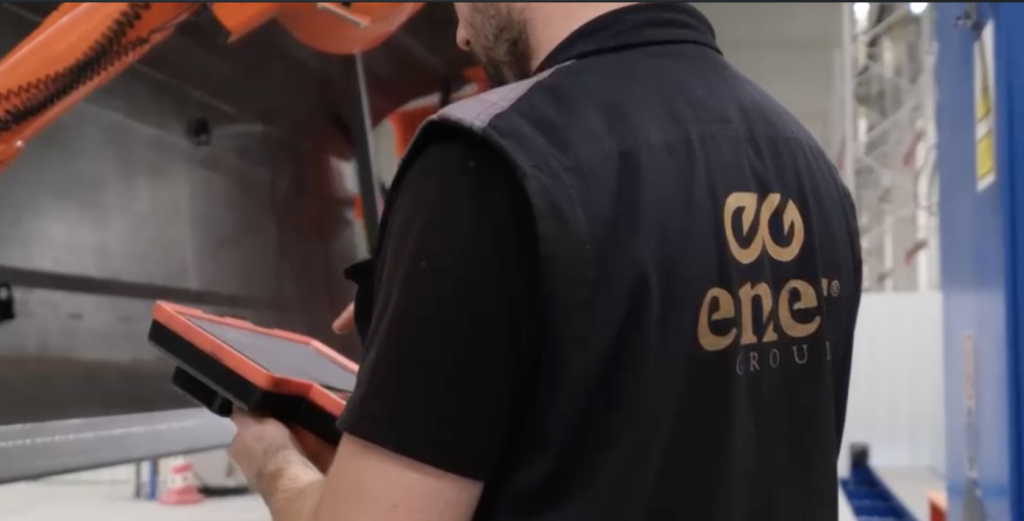
It redeploys people. It doesn’t replace them.
Automation still needs somebody skilled to run it. Someone has to set up the fixturing, program the sequence, and know when a weld coming off the line isn’t right. That’s not a smaller job than manual welding. It’s a different one, and it usually goes to your most experienced person, not your newest hire.
What changes is where your people spend their time. The repetitive, physically hard passes that used to eat a welder’s whole day get handled by the cell. Your welder moves to the parts that actually need a person’s judgment, the complex joints, the one-offs, the troubleshooting. You didn’t shrink your headcount need. You changed what the job looks like.
We’ve seen this shift happen in stages with real shops. One technical manager we interviewed described it plainly: the first phase is a welder loading parts onto a robot that welds. The second phase, once a shop settles in, looks different, a dedicated operator making sure the fixture and part are positioned correctly, while the robot handles the weld from start to finish. The part comes off the line complete. That’s not a smaller role. It’s a different one, and usually a more valuable one.
This isn’t just how it’s supposed to work in theory. Starland Metals, a Minnesota job shop that scaled from one used robot to running nearly all of their production on automation, saw it happen directly: less manual strain, better working conditions, and lower welder turnover. “CLOOS is one company that does everything, and that’s pretty rare,” say Colin and Jadon Decker, the brothers who own the shop.
It’s not just leadership describing this shift from the outside, either. Sam Carter, a welder on Volvo’s wheel loader line, put it plainly: “It’s pretty cool to see the transition from all the manual labor that we had to do to making our jobs easier, but still knowing that I have job security because there are some things that the robots can’t do.”
In our research, 56.2% of manufacturers named labor shortage as their top reason to automate, more than capacity, more than quality, more than cost. The scale of that shortage isn’t just internal data, either. The American Welding Society’s own numbers show over 157,000 welders nearing retirement right now, with the industry needing 320,500 new welders by 2029 just to keep pace. A lot of golden arms, the welders whose precision nobody can just replace, are walking out the door at the same moment the industry needs more people than ever.
That’s the real stakes. Automation doesn’t replace what a golden arm knows. It’s what lets that knowledge get spent on the parts that actually need it, instead of on repetitive work anyone could eventually be trained to run.
The skills gap doesn’t close on its own
Automation is only as good as the person operating it, and that’s not a training problem you can skip. Structured certification, including programs like AWS’s Certified Robotic Arc Welding credential, gives operators the confidence to run equipment at its actual capability instead of a fraction of it. That’s not about starting over. It’s about sharpening people you already have.
The same is true of how that training actually happens. Nobody learns automation from a manual alone, and hands-on time on real equipment is what actually builds the judgment a good operator needs, not a slide deck.
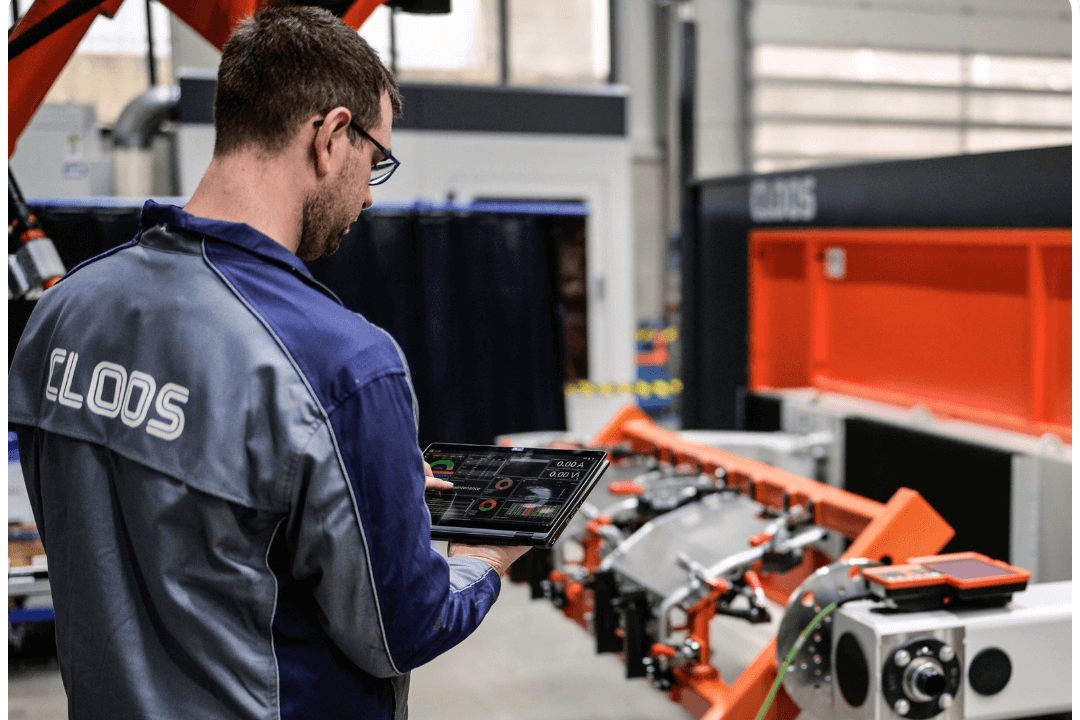
Automation can also make the trade more attractive
The old image of welding, dark floor, overalls, physically grinding work, doesn’t excite anyone entering the workforce right now. That’s a real problem for the trade.
But the version of the job that includes programming, sensors, and working alongside a robot lands differently. One manager we spoke with in our research described showing a robotic cell to a young prospective hire and watching the reaction change in real time, from indifference to genuine interest, once they saw the technology involved. That’s not a small thing. It’s a pathway back into the trade for people who’d already written it off.
No competitor in this space currently owns that positioning. Most of the conversation is still about automation solving a labor problem, not about automation being part of what makes manufacturing worth choosing as a career in the first place.
So does automation fix the labor shortage?
Not alone. It doesn’t hand you new welders. What it does is make your existing people more valuable, more capable, and harder to lose to another shop, while giving you a genuine story to tell the next generation about what this work actually looks like now. That’s a real answer to a real problem, even if it’s not the instant fix the question is usually asking for.
If you’re trying to figure out what that actually looks like for your shop, bring us the part you’re struggling to staff for. We’ll walk through it with you honestly.
FREQUENTLY ASKED QUESTIONS
Does welding automation reduce the need for welders?
It changes what welders do more than it reduces how many you need. Automation still requires a skilled person to set up, program, and monitor it, and it frees your most experienced welders for the complex work that actually requires their judgment.
What skills do welders need once a shop automates?
Programming and operation are part of it, but reading a weld, understanding fit-up, and troubleshooting when something’s off still matter as much as they did before automation, arguably more, since a robot won’t catch its own mistake.
Can automation help attract new welders to the trade?
Research suggests it can. The technology side of modern welding automation, robotics, sensors, programming, appeals to younger workers in a way the traditional image of the trade often doesn’t.
Is certification necessary to run automated welding equipment?
It’s not strictly required, but structured certification, including programs like AWS’s CRAW credential, helps operators get the full value out of the equipment instead of running it at a fraction of its real capability.
Worth doing right means being honest about what automation actually solves, and what it still needs your people for.